Page 1: The Invisible Current
For centuries, the alchemists of old sought the prima materia, the fundamental substance from which all things could be transformed. In the modern quest for sustainable energy, we have found our own form of transmutation, not in lead to gold, but in the humble, invisible world of microbes to electricity. This is the realm of the Microbial Fuel Cell (MFC), and its most elegant expression is the Pisphere.
The idea that life itself could generate power is not new; it is a concept as old as the observation of electric eels, yet its practical application has remained elusive, confined to the fringes of bio-engineering. We have long relied on the brute force of combustion and the vast, impersonal scale of solar and wind farms. But what if the solution to our energy crisis was not in conquering nature, but in collaborating with its smallest, most industrious inhabitants?
The Pisphere is a testament to this collaboration. It is an engineered ecosystem, a closed-loop environment where the metabolic processes of specific bacteria are harnessed to produce a steady, clean flow of electrons. It is a quiet, continuous power source, a living battery that feeds on organic waste and breathes out a gentle current. This is not a theoretical curiosity; it is a working model of a symbiotic energy future.
To understand the Pisphere, one must first appreciate the fundamental biological process at its core: the exoelectrogenic capability of certain microorganisms. These are the bacteria that, in the absence of traditional electron acceptors like oxygen, have evolved a remarkable mechanism to “breathe” by transferring electrons directly onto external surfaces—in this case, the anode of a fuel cell. They are the unsung heroes of the microbial world, quietly performing a feat of biological engineering that we are only now learning to exploit.
The sheer scale of the microbial world dwarfs our own. A single gram of soil can contain billions of these organisms. When we consider the energy potential locked within this vast, unseen workforce, the possibilities become staggering. Pisphere is the key that unlocks this potential, transforming what was once a biological curiosity into a scalable, practical technology. It represents a profound shift in our relationship with energy, moving from extraction to cultivation, from consumption to symbiosis. It is the invisible current made manifest, a silent revolution powered by the very stuff of life.
The journey from a lab-bench MFC to the robust, deployable Pisphere system has been one of meticulous refinement. Early MFCs were inefficient, plagued by low power density and complex maintenance. Pisphere’s innovation lies in its architectural optimization, creating a perfect, high-yield habitat for the exoelectrogens. It is a controlled environment where the bacteria thrive, ensuring maximum electron transfer efficiency. This initial step, the recognition and successful cultivation of these electron-donating microbes, is the foundation upon which the entire system is built, promising a future where energy is not a commodity to be mined, but a byproduct of life itself.
Page 2: The Geobacter’s Secret
The heart of the Pisphere system beats with the life of the Geobacter family, or other similar exoelectrogenic bacteria. These organisms are the biological engines, the tiny, tireless workers that perform the microbial magic. Their secret lies in a process known as Extracellular Electron Transfer (EET), a metabolic pathway that is nothing short of astonishing.
In traditional respiration, an organism consumes a carbon source (food) and uses an electron acceptor (like oxygen) to complete its metabolic cycle, releasing energy. Geobacter and its kin, however, are anaerobes, often found deep in sediments or in oxygen-deprived environments. They consume organic matter, but instead of using an internal acceptor, they have developed the ability to literally “wire” themselves to the outside world.
This wiring is achieved through specialized structures. The most famous of these are the bacterial nanowires, which are not true wires in the human sense, but rather conductive protein filaments, or pili, that extend from the cell membrane. These nanowires act as microscopic, biological conduits, forming a direct electrical connection between the bacterium’s interior and the external electron acceptor—the Pisphere’s anode.
Imagine a microscopic power plant, where the fuel is simple organic waste, and the exhaust is a stream of electrons flowing directly into a circuit. The bacteria oxidize the organic substrate, releasing electrons. Instead of these electrons being passed down an internal chain to oxygen, they are shunted out of the cell, through the conductive nanowires, and onto the carbon-based anode. This transfer of electrons is the current we harvest.
The efficiency of this process is directly tied to the health and density of the microbial biofilm that forms on the anode. Pisphere’s design is focused on maximizing this biofilm. The anode material is carefully selected for its biocompatibility and high surface area, providing a vast, welcoming landscape for the bacteria to colonize. The system maintains optimal pH, temperature, and nutrient flow, ensuring the exoelectrogens are in a state of perpetual, high-performance energy generation.
This biological mechanism is fundamentally different from any conventional energy source. It is self-repairing, self-replicating, and operates at ambient temperatures. Unlike solar panels, it does not require sunlight; unlike wind turbines, it does not require wind. It requires only a steady supply of organic matter—a resource that is abundant in the form of wastewater, agricultural runoff, or even just soil organic carbon. The Geobacter’s secret is the secret of life’s resilience and its ability to find an energetic pathway in the most challenging environments. By mimicking and optimizing the conditions of their natural habitat, Pisphere transforms a deep-earth survival mechanism into a clean, continuous power source for the surface world. The elegance of this solution lies in its simplicity: a living circuit, powered by the very waste we seek to eliminate.
Page 3: Pisphere’s Architecture
The genius of Pisphere is not just in identifying the microbial engine, but in designing the vessel that houses it. The system is a sophisticated piece of bio-engineering, a carefully balanced reactor that maximizes the efficiency of the microbial fuel cell. It is the bridge between the microscopic world of the Geobacter and the macroscopic world of human power needs.
The core of the Pisphere device is the separation of the two half-reactions: oxidation at the anode and reduction at the cathode.
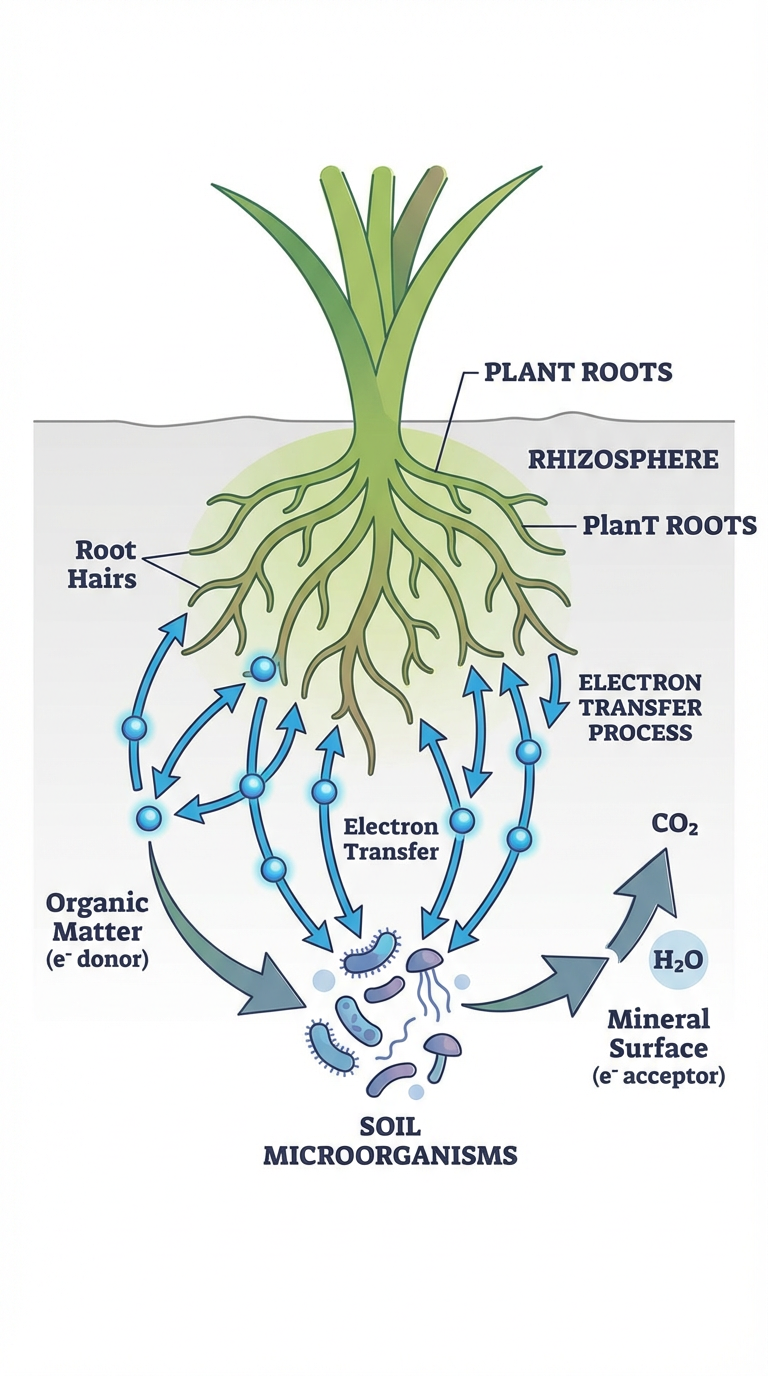
The Anode Chamber is the microbial habitat. It is an anaerobic environment where the exoelectrogenic bacteria flourish. The anode itself is a high-surface-area material, often carbon felt or graphite, designed to be highly conductive and porous. This porosity allows for a massive colonization area, maximizing the contact points for the bacterial nanowires. The chamber is continuously fed with the organic substrate—the “food” for the bacteria. As the microbes consume this substrate, they release electrons onto the anode.
The Cathode Chamber is the electron sink. It is an aerobic environment, typically exposed to air or oxygenated water. The cathode material is often coated with a catalyst to facilitate the reaction where electrons, having traveled through the external circuit, combine with protons (H+) and oxygen to form water. This completes the circuit and sustains the flow of current.
Separating these two chambers is the Proton Exchange Membrane (PEM). This membrane is critical. It allows positively charged hydrogen ions (protons), which are also a byproduct of the bacterial metabolism at the anode, to pass through to the cathode chamber. This movement of protons maintains the charge balance within the system, ensuring the continuous flow of electrons through the external circuit—the usable electricity.
The Pisphere system is engineered for modularity and scalability. The physical device is designed to be robust, easily deployable, and low-maintenance, making it suitable for diverse environments, from remote agricultural fields to dense urban infrastructure.
The diagram below illustrates the fundamental components and the flow of energy and matter within the Pisphere system. It shows the elegant dance between the biological and the electrical, where the consumption of organic matter directly translates into a usable current.
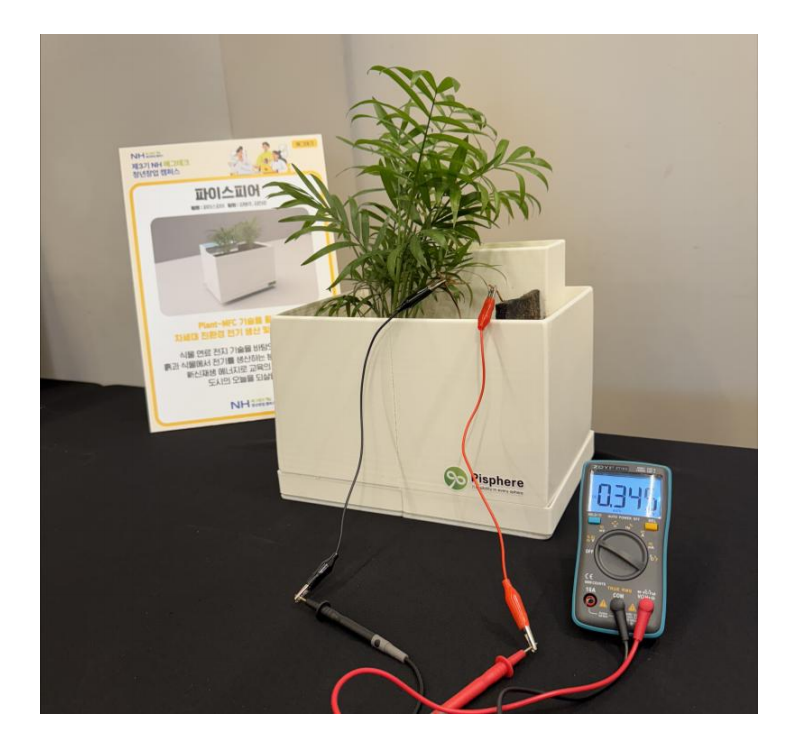
The engineering challenge was to optimize every parameter: the distance between the electrodes, the material of the PEM, the flow rate of the substrate, and the internal resistance. Pisphere has solved these challenges through iterative design, resulting in a system that achieves power densities significantly higher than previous MFC designs. This optimization is what transforms the technology from a laboratory curiosity into a viable commercial power source.
The system is also designed to be self-regulating. Sensors monitor the internal environment, adjusting substrate flow and managing the microbial community to ensure peak performance. This level of autonomy is essential for deployment in remote or large-scale applications, minimizing the need for human intervention. The architecture of Pisphere is a triumph of bio-mimicry and electrical engineering, creating a perfect, self-sustaining loop of energy generation and environmental remediation.
Page 4: Beyond the Watt
The true impact of Pisphere extends far beyond the simple generation of electricity. It is a technology that simultaneously addresses two of the most pressing global challenges: energy scarcity and environmental pollution. The microbial magic of the Geobacter provides a dual benefit, making Pisphere a powerful tool for sustainable development in agriculture, urban planning, and climate change mitigation.
In IoT Agriculture, the Pisphere system offers a revolutionary solution to the power demands of remote sensing and monitoring. Modern farming relies on a network of sensors to track soil moisture, nutrient levels, and crop health. Powering these sensors in vast, remote fields has always been a logistical hurdle, often requiring batteries that need constant replacement or solar panels that are weather-dependent. Pisphere, integrated directly into the soil or the irrigation system, provides a continuous, on-site power source by consuming the organic matter naturally present in the soil or the wastewater. This creates a self-sustaining, off-grid sensor network, enabling precision agriculture without the environmental cost of traditional power sources.

The application in Smart Cities is equally transformative. Urban environments generate enormous amounts of organic waste, particularly wastewater. Pisphere can be integrated into municipal wastewater treatment plants, where the exoelectrogenic bacteria can consume the organic pollutants, cleaning the water while simultaneously generating electricity. This turns a massive energy consumer (the treatment plant) into a net energy producer, a concept known as energy-positive wastewater treatment. Furthermore, the modular nature of Pisphere allows for decentralized power generation, embedding small, clean power sources directly into the urban fabric, such as powering streetlights or localized monitoring stations.

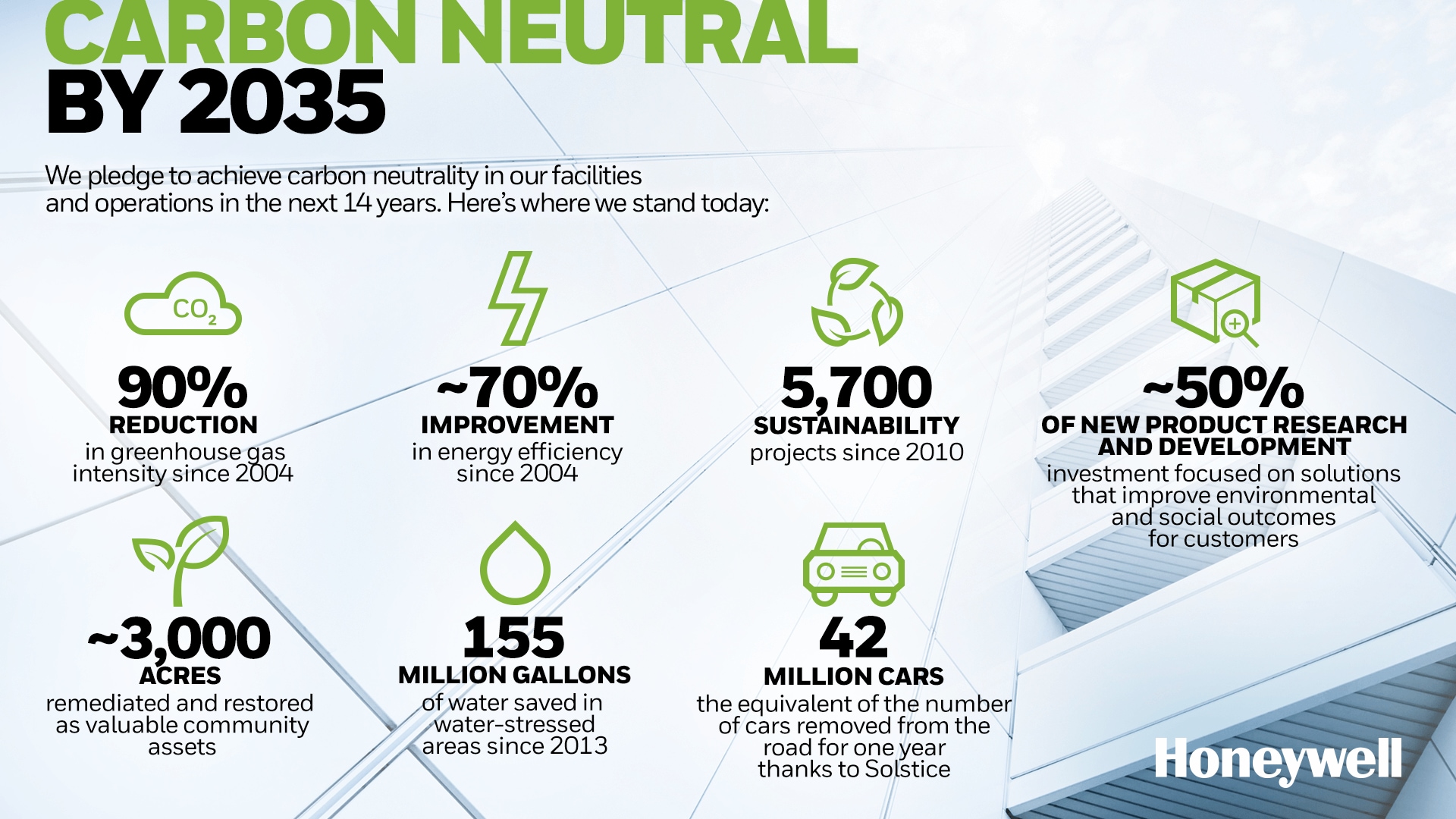
Perhaps the most profound application is in Carbon Neutrality. The process of microbial electricity generation inherently involves the breakdown of organic carbon compounds. When applied to wastewater or other waste streams, Pisphere effectively captures the energy stored in these compounds before they can decompose and release potent greenhouse gases like methane into the atmosphere. By converting this chemical energy directly into electrical energy, Pisphere contributes to a significant reduction in the carbon footprint of waste management. It is a form of bio-remediation that is not only clean but also energy-producing, offering a tangible pathway toward a circular economy where waste is not a liability but a valuable resource.
The dual function of Pisphere—power generation and environmental cleaning—makes it a uniquely powerful technology. It is a testament to the principle that the most sustainable solutions are often those that mimic and leverage natural processes, turning ecological cycles into human benefit. The watt generated by Pisphere is not just a unit of power; it is a unit of cleaner water, healthier soil, and a reduced carbon footprint.
Page 5: The Quiet Revolution
The Pisphere system is more than just an engineering marvel; it is a philosophical statement about the future of energy. It signals a quiet revolution, a shift from the loud, destructive, and centralized power systems of the industrial age to a decentralized, symbiotic, and life-affirming energy infrastructure.
The history of human energy use is largely a history of conflict: conflict with the earth to extract fossil fuels, conflict over resources, and the conflict of pollution against the environment. Pisphere offers a path of reconciliation. It is a system built on a partnership with the microbial world, a recognition that the smallest forms of life hold the key to our largest problems.
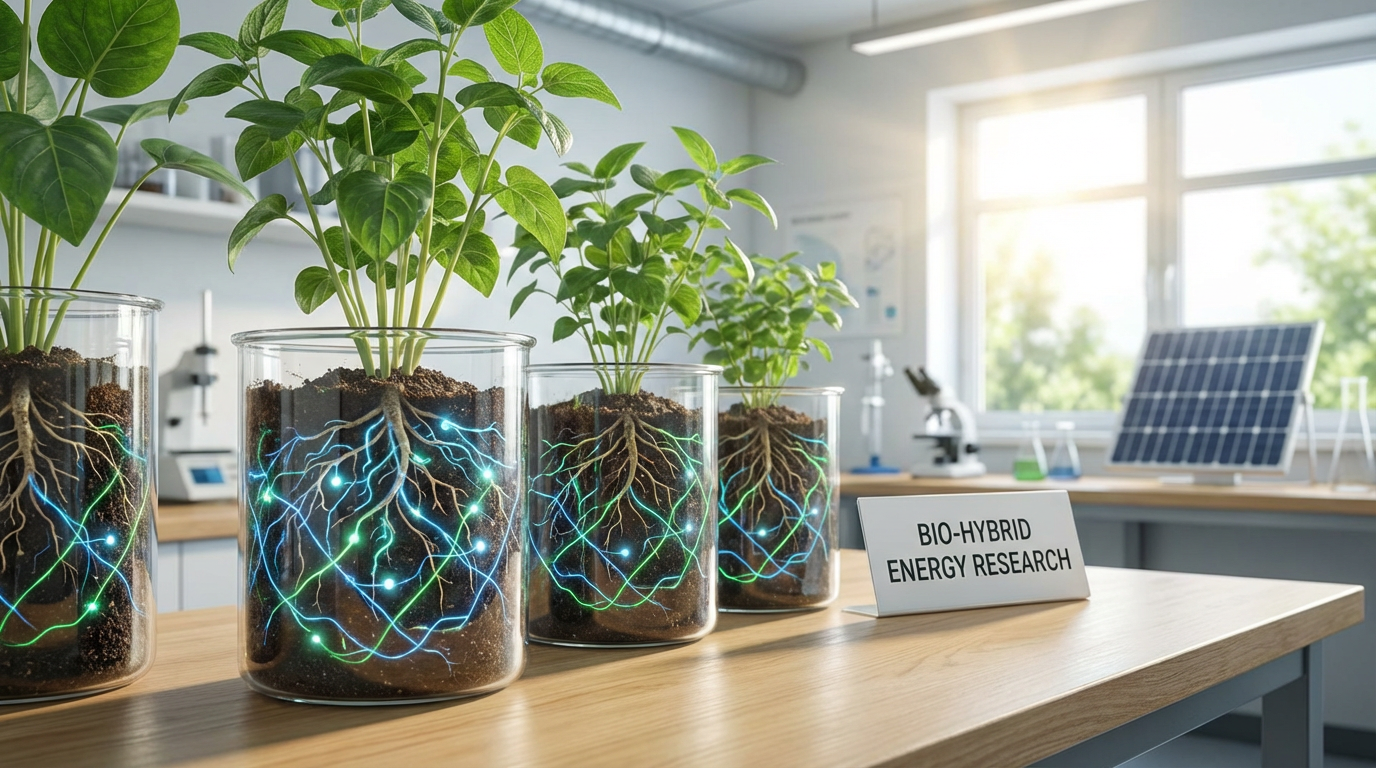
The concept of a Bio-Hybrid system is the ultimate expression of this philosophy. Pisphere is a true hybrid, seamlessly integrating biological processes with human-engineered electronics. It is a living machine, a self-sustaining ecosystem that requires minimal external input and produces minimal waste. This integration represents the next frontier in technology, where the lines between the natural and the artificial blur, leading to systems that are inherently more resilient and sustainable.
Consider the implications for energy independence. A Pisphere unit, powered by local organic waste, provides a source of energy that is immune to geopolitical instability and supply chain disruptions. It democratizes power generation, putting the means of production into the hands of communities, farmers, and even individual households. This decentralization is a powerful force for resilience, ensuring that energy access is not a privilege but a fundamental, locally-sourced right.
The quiet hum of the Pisphere is the sound of a new era. It is the sound of energy being harvested, not extracted. It is the sound of waste being transformed, not discarded. It is a technology that teaches us a profound lesson: that the most powerful solutions are often found in the most subtle processes of nature. The microbial magic, once a secret of the deep earth, is now brought to the surface, illuminating a path toward a truly sustainable and symbiotic future.
The Pisphere is the modern alchemist’s stone, transforming the base metal of organic waste into the pure energy of a clean, continuous current. It is a revolution that will not be televised, but will be felt in the quiet, steady glow of a light powered by the tireless work of a billion tiny, invisible engineers. The future is not just electric; it is alive.